Cheese: discover all the varieties and ways you can enjoy it

Okay, admittedly. The term three-cheese high is rather reserved for a little naughty boy. But with us today the cheese should live high three times.
What exactly is this and what varieties are there?
As is well known, cheese is made from milk. Different quantities of milk are used in the production of cheese. From four to 16 liters, everything is available.
Cheese is obtained by coagulating the protein components of the milk. This coagulation can be done by rennet or by acidification of the milk. Rennet is an enzyme that can be obtained from the stomachs of young cows or is produced microbially.
Depending on the method of coagulation or production, a distinction is made between cheeses. Here are some well-known examples:
Depending on the method of coagulation or production, a distinction is made between cheeses. Here are some well-known examples:
- Sour milk cheese
Sour milk cheese is obtained by fermentation with lactic acid bacteria. Although this process applies to some types of cheese, only those cheeses made from curd are called pure sour milk cheese. The cheese has a smooth dough that matures from the outside to the inside. Examples of this are the Harzer Käse, Quäse and Handkäse.
- Rennet cheese
Rennet cheese includes hard cheese, semi-hard cheese, semi-soft cheese and also soft cheese. It can also be called sweet milk cheese. Here the cheese is made by adding rennet. The special thing about it is that the milk does not become sour when it is split by the rennet. That is why this cheese has its name. Examples of rennet cheese are Parmesan, Cheddar, Gouda, Tilsiter, Edam, Butter cheese, Saint Albray, Camembert and many more.
- Whey protein cheese
As the name suggests, this cheese is made from the whey of the milk. Here the firmness is not obtained by adding rennet, but by heat. After the cheese has been skimmed off, it is usually still beaten soft, giving it a creamy consistency. The best-known representative is the ricotta.
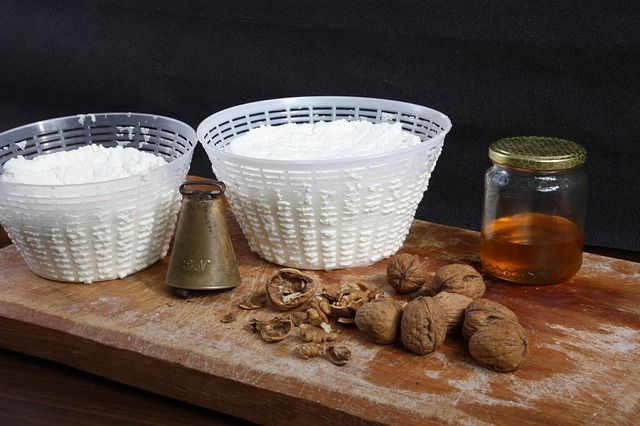
- Cream cheese
The special thing about fresh cheese is that it can be consumed directly after production. No further maturing is necessary. Like sour milk cheese and sweet milk cheese, the cream cheese is made with lactic acid bacteria and rennet. In addition to the cheese designated by name as fresh cheese, mascarpone and even mozzarella are also considered fresh cheeses. Mozzarella, however, unlike the others, is still pressed to preserve its firm shape and consistency.
What can you do with it?
Cheese can now be enjoyed in many different ways.
- Gratinate
The most popular variant is certainly cheese for gratinating. Whether on pizza, casserole or Hawaiian toast. Whether over the chicken, the schnitzel or on the potatoes. There are no limits to your imagination.
- Mac'n'Cheese
The trend of macaroni cheese has also found great favor with us. As simple as it sounds, this dish tastes great. And: Due to the high cheese content, it also fills you up for a long time.
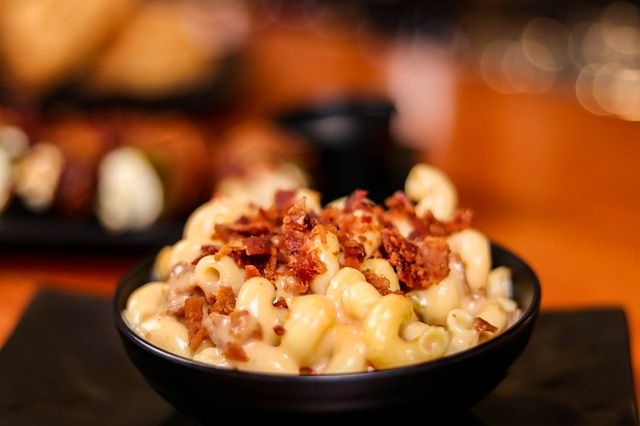
The cheese platter is a must for the typical snack. Whether sliced cheese or soft cheese. Here is something for every cheese lover.
- Cheese Wrap
Low carb on the road? Instead of the Tortilla Wrap, you can simply use a slice of sliced cheese and then top it as desired. Tastes great and saves the annoying carbohydrates.
- Cheese sandwich / Pan de queso
Would you like to take a little trip to Brazil? Little balls of cheese and bread dough, also called pan de queso. Perfect as a snack and as a starter.
- Oven cheese
With the right vegetable sticks or bread for dipping, this way of preparing camembert is really more than simple and above all tasty.
At Christmas or New Year's Eve raclette has almost become a tradition in Germany. Of course, it should not be missing here in the list.
Roasted onions, spaetzle and simply cheese - lots of cheese. This is how you enjoy it in Bavaria. Of course, this may have something to do with the fact that the proximity to the Alps means that you are close to the alpine pastures.
Did you know?
For all lactose intolerant people: Gouda, Cheddar, Parmesan, Appenzeller and Raclette cheese are lactose free.
This might also interest you: "What you should know about cheese"