Cooking with CBD - enjoyment, relaxation and creative recipes
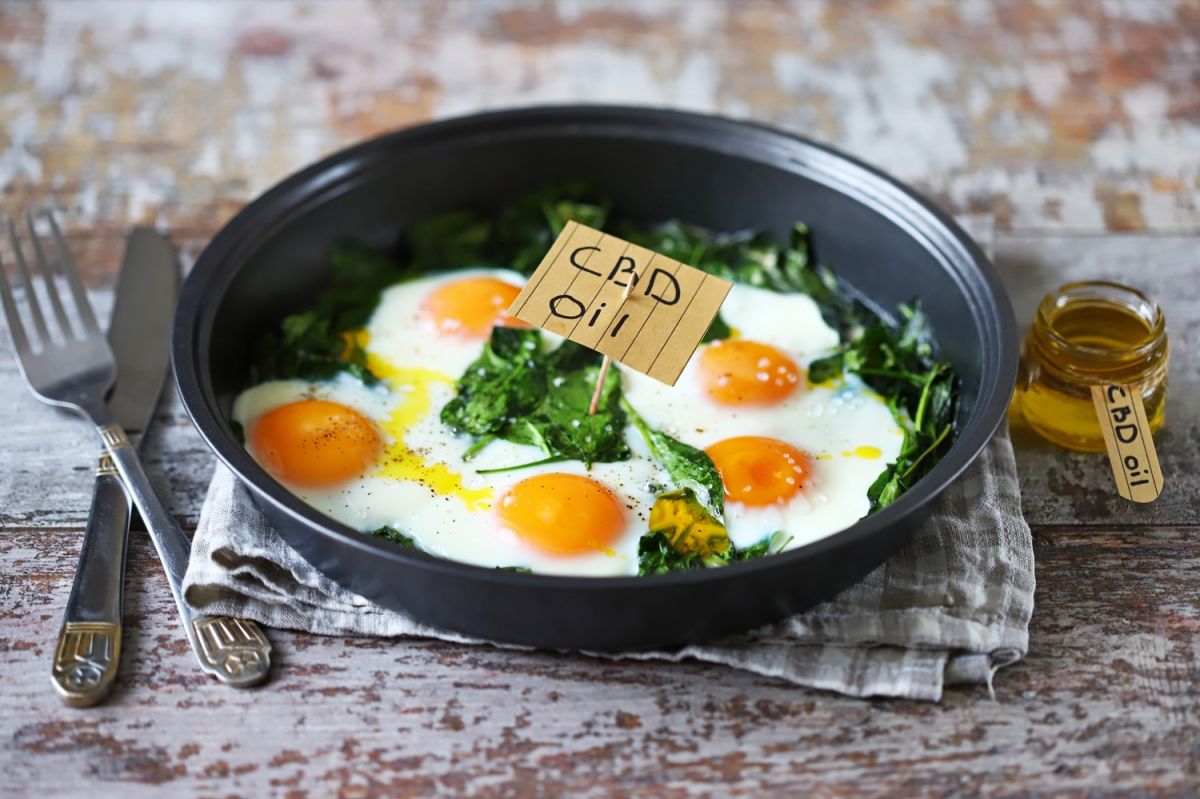
CBD has long been a part of the kitchen. More and more people are relying on the relaxing power of cannabidiol - not just as a drop under the tongue, but also between the pan and the chopping board. No wonder: Europe-wide sales of CBD products are expected to reach around 3.44 billion euros by 2026. But how is this actually achieved? And how do the oils and extracts taste good in food?
How does it actually work?
CBD not only has a relaxing effect on the body - studies suggest that cannabidiol can also have antioxidant and anti-inflammatory effects. Particularly exciting: CBD even appears to have a neuroprotective effect in the central nervous system and could help to alleviate stress reactions. These interactions with the endocannabinoid system have long aroused the interest of researchers worldwide.
CBD in the kitchen - no longer an experiment for many, but an integral part of modern recipes. However, to ensure that the active ingredient from the hemp plant not only unfolds its effect, but also convinces in terms of taste, it is worth taking a closer look at the basics.
Fats play a crucial role. Cannabidiol dissolves best in oil, butter or coconut fat. Without these helpers, the substance does not enter the body properly. Therefore, always make sure you have enough fat - then the absorption works much better.
Heat, on the other hand, can quickly become a problem. Above 150 degrees, CBD begins to lose its potency. Frying over a high flame or stewing for a long time is therefore not a good idea. Better: stir into the finished dish at the end or use in cold dishes.
Distribution also deserves attention. CBD oil drizzled on a spoonful of soup? Not a wise choice. It's better to mix it well so that every bite delivers the same amount of relaxation. Similar to the preparation of cannabis tea good stirring helps to ensure that the ingredients are evenly distributed. This is the only way to reliably estimate the dose.
The taste has its own note. Slightly earthy, subtly bitter - perfect for strong flavors. Tomato sauces, dips with avocado, spicy pasta - wherever herbs, garlic or citrus fruits are involved, CBD blends in harmoniously.
Guacamole with CBD oil
Creamy, fresh - a dip that not only soothes the taste buds, but also the mind. Perfect for sociable evenings or simply for snacking on the couch.
Ingredients:
- 3 ripe avocados
- Juice of one lime
- 1 small red onion
- 2 tomatoes
- 1 clove of garlic
- CBD oil as required
- salt, pepper
Preparation:
Cut open the avocados, remove the pit and mash the soft flesh with a fork. Drizzle with lime juice - this not only provides fresh acidity, but also keeps the greens alive. Peel and finely dice the onion. Remove the seeds from the tomatoes and cut into small pieces. Chop the garlic. Place everything in a bowl and mix well. Pour in the CBD oil and season with salt and pepper. Perfect with nachos or on fresh bread.
Lemon and olive oil dressing with CBD
Fruity, light, with a subtle spiciness - the dressing that brings summer to any salad. Grilled vegetables or baked potatoes also benefit.
Ingredients:
- 50 ml olive oil
- Juice of one lemon
- 1 tsp mustard
- 1 tsp maple syrup or honey
- CBD oil as required
- salt, pepper
Preparation:
Pour the olive oil, lemon juice, mustard and maple syrup into a screw-top jar. Add salt and pepper. Screw the lid on tightly and shake vigorously until everything is combined. Add the CBD oil and shake again. Drizzle directly over salad or use as a marinade.
Chocolate energy balls with CBD
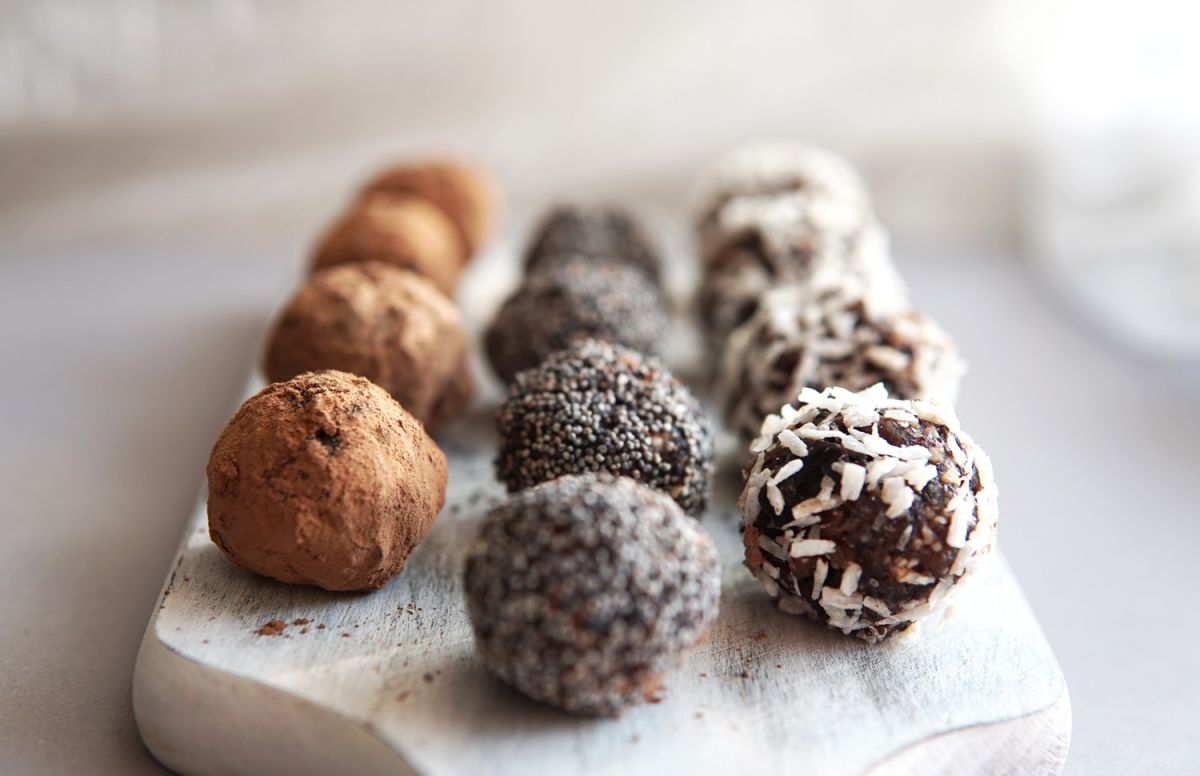
Sweet, nutritious, with a slightly bitter cocoa note - perfect for on the go or as a snack between meals.
Ingredients:
- 1 cup of rolled oats
- 3 tbsp peanut butter
- 2 tbsp cocoa powder
- 2 tbsp honey or maple syrup
- CBD oil as required
- Optional: chia seeds, nuts, shredded coconut
Preparation:
Place all the ingredients in a large bowl. First mix roughly with a spoon, then knead with your hands until you have a sticky mixture. Work in the CBD oil. Form small balls and press together firmly. If you like, roll in grated coconut or cocoa powder. Place on a plate and put in the fridge for at least 30 minutes. Then enjoy straight away or take away in a tin.
Pasta with CBD tomato sugo
Hearty, spicy, with a soft finish - this pasta not only relaxes the palate, but also the mind. Ideal for dinner after a long day.
Ingredients:
- 2 tbsp olive oil
- 1 tin of chunky tomatoes
- 3 cloves of garlic
- 1 tsp oregano
- 1 tsp basil
- CBD oil as required
- salt, pepper
Preparation:
Gently heat the olive oil in a pan. Peel the garlic, cut into thin slices and slide into the hot oil. The aroma rises. Add the tinned tomatoes. Add the herbs, turn down the heat and simmer - 15 minutes, maybe longer, depending on your patience. Carefully stir in the CBD oil, season with salt and pepper. Cook the pasta until al dente, drain. Pour over the sugo and mix everything together.
CBD lemon cake (no-bake)
Fresh, sweet, with a hint of lemon - this cake screams summer, but also tastes great on gray days. No oven required, just a little time in the fridge.
Ingredients:
- 200 g oat biscuits
- 100 g butter
- 200 g cream cheese
- 200 g quark
- 2 lemons (juice and zest)
- 3 tbsp sugar
- CBD oil as required
Preparation:
Place the oat cookies in a freezer bag and crumble with a rolling pin. Melt the butter and mix with the cookie crumbs. Press into a cake tin and chill. Place the cream cheese and quark in a bowl. Grate and squeeze the lemons, add the juice and zest. Stir in the sugar. Carefully add the CBD oil. Spread the cream onto the cookie base and smooth out. Place in the fridge for at least two hours. Sliceable freshness that dances on the tongue.
CBD on the stove - relaxation on the plate
CBD in the kitchen - more than just hype. A new way of cooking is growing between the chopping board and the teapot. Food is becoming a ritual that not only fills you up, but also calms you down. Sometimes a dash of oil in the dressing, sometimes a drop in the pasta - small changes with a big effect.
Flavors combine, the senses open up. Lemon kisses olive oil, avocado dances with lime, chocolate melts into peanut butter - and CBD quietly makes its rounds. Bitter, earthy, almost inconspicuous, yet palpable. Not every dish needs the little bottle, but sometimes it gives everyday life the gentle brake that is so often missing. Trying, tinkering, tasting - and tasting inner peace in the process. Food can be so much.