Olive oil: for making dips, deep frying - and wellness: use cases!
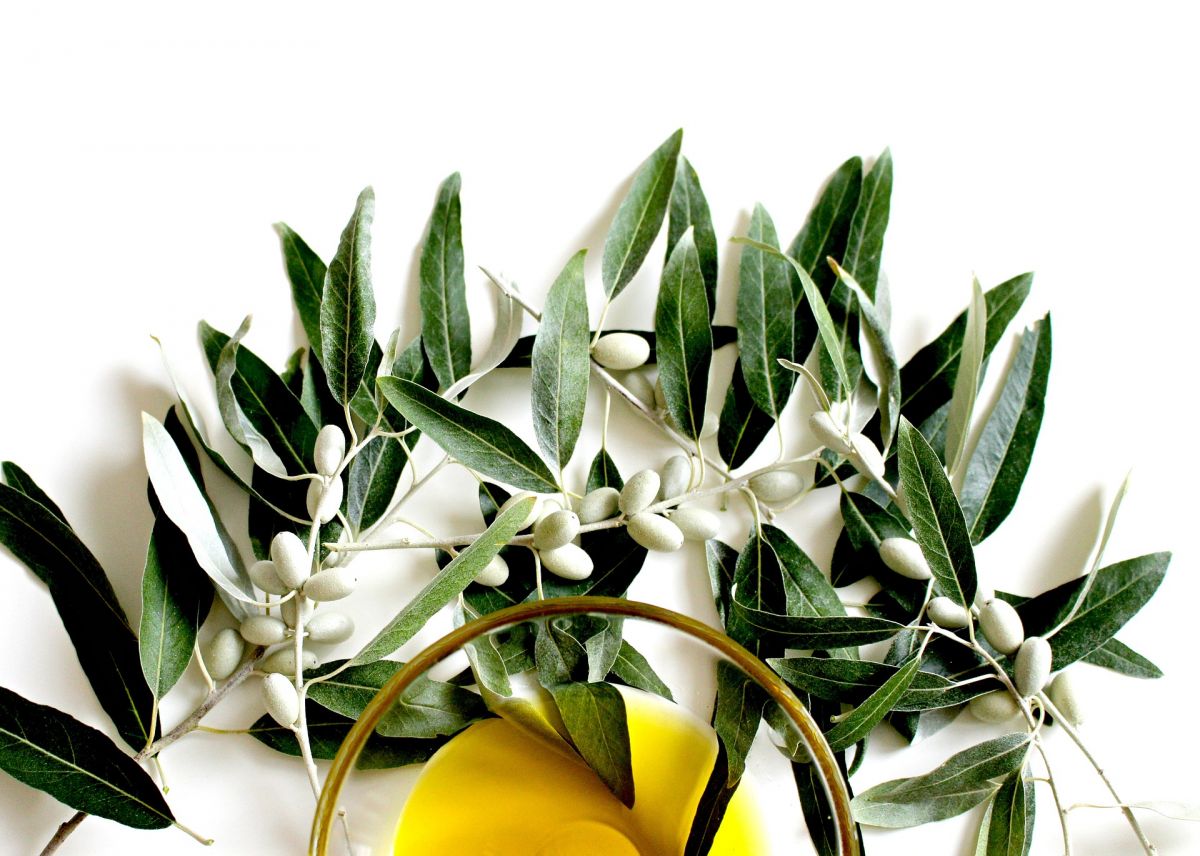
Anyone who has ever made their own dressing for a small or large salad at home will almost certainly have used olive oil - provided it was a dressing in which oil plays a role.
But if you stand in the supermarket, you will be crushed by the mass of different olive oils. Which one is high quality, which one is just junk? And above all, what else can you prepare with it; apart from the salad dressing. These are the questions we want to address in the following.
Quality before quantity
Olive oil is made, as the name suggests, from the pulp and also the kernel of olives. It is precisely with regard to the processing of the olives that the first differences in the names of the later oil in the bottle become apparent.
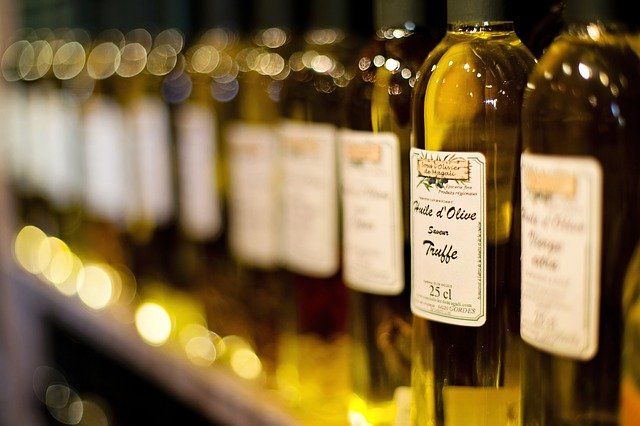
Virgin olive oil is defined as the oil obtained from the fruit exclusively by mechanical or other physical processes. Only processes that do not lead to any deterioration of the oil may be used. There is even a separate EC regulation for this: NR 1513/2001.
Temperature plays a particularly important role in further processing. This is controlled to extract the oil. However, the industry is divided on this point: the lower the temperature, the better the oil, but also the smaller the yield. The higher the temperature, the worse the oil, but more can be extracted. It is precisely at temperatures above 32°C that olive oil loses some of its organoleptic qualities, i.e. qualities that appeal to the senses. If the quality characteristic "cold pressed" is found on the oils, it can be assumed that it has not been processed during production at temperatures above 27 °C.
Since all this is not yet sufficient, the EU has introduced even more olive oil quality classes. Here a small overview:
- Extra virgin olive oil
- Virgin Olive Oil
- Lampant oil
- Refined olive oil
- Olive oil
- Crude olive residue oil
- Refined olive oil
- Olive oil
The biggest difference is - as just explained - first the production and then the acidity of the final product. Some of the listed oils are also not suitable for human consumption and may only be used for further processing in other oils.
Dishes with olive oil
Especially in Mediterranean cuisine, olive oil is one of the central components of most dishes. Whether in fried or roasted dishes or in salads, whether as oil on pizza or for gyros. Olive oil is used here in many different ways.
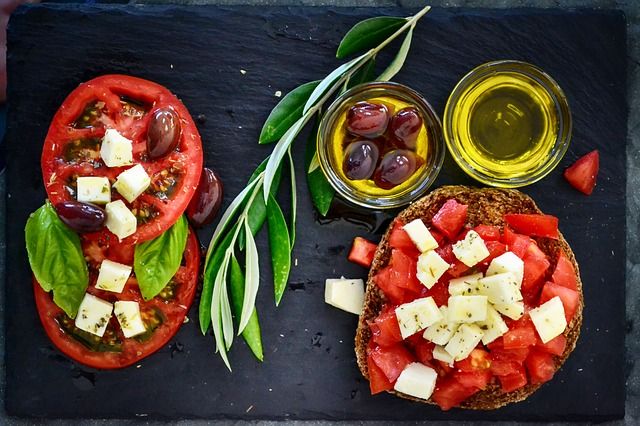
One of the most famous dishes with olive oil is probably the salad Caprese, which gets its unique taste more or less exclusively from the combination of olive oil and vinegar.
Another very well-known dish is of course the pasta Aglio e olio, whose taste derives especially from the combination of olive oil and garlic. There is even a mild and a spicy version, so depending on the area (or restaurant) you have to be careful which variety is served.
Often the olive oil is also served with pita or pizza bread. Here you can get the herbs or garlic variant - depending on the vampire factor so to speak.
Before I lose myself in hundreds of dishes, I would like to mention one last use of olive oil, as a salad dressing. Unlike the Salad Caprese, other spices and herbs than just basil are added here. However, due to the use of mostly balsamic vinegar, the similarity must be affirmed.
Bon appetite!
PS: Many pestos and herbal quarks cannot really exist or taste without olive oil. So, you can find the oil almost everywhere, as soon as something from the Mediterranean area is there.